Croissant Calories & Healthy Baking Hacks
Learn croissant calories, healthy baking tips, protein croissant hacks, and smart ways to enjoy croissants without guilt.
DESSERTS
Admin: TechChefLab
11/27/202518 min read
1. Introduction to Croissants
What Is a Croissant?
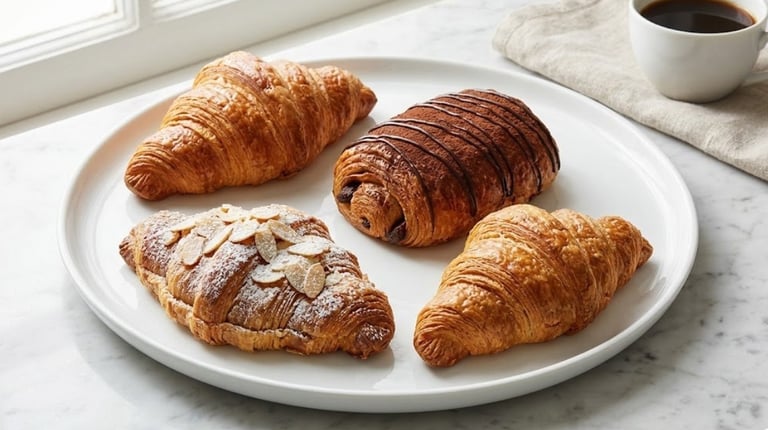
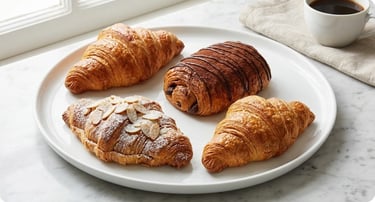
A croissant is a buttery, flaky, crescent-shaped pastry that comes from French baking traditions. It is made by folding layers of dough and butter again and again, creating the soft, airy texture we all love. Today, croissants are enjoyed in many forms: plain croissants, chocolate croissants, almond croissants, gluten-free croissants, and even high-protein croissant recipes.
Because croissants are so versatile, you can enjoy them for breakfast, as a snack, or use them in croissant sandwiches and croissant bread recipes.
Why Croissants Are Loved Worldwide
Croissants are famous all over the world because they combine rich flavor, fluffy layers, and a melt-in-your-mouth taste. People love croissants for many reasons:
They are quick and delicious for a breakfast on the go.
You can turn them into sweet or savory recipes easily.
They pair perfectly with coffee, tea, and even healthy fillings for croissant sandwiches.
They look beautiful and feel like a bakery treat even when made at home.
They work in many dishes like breakfast croissant casseroles, sandwiches, and dessert croissant recipes.
Whether you like a simple plain croissant, a chocolate croissant, or a protein croissant, this classic pastry fits every mood.
Overview: Calories, Baking & Healthier Versions
Croissants taste amazing, but many people ask the same question: “How many calories does a croissant have?”
The answer depends on the type:
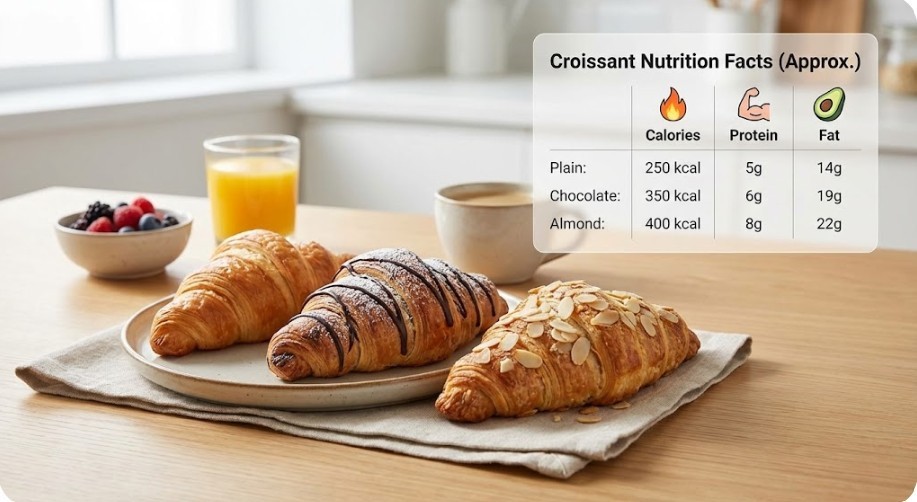
Plain croissant calories: usually 220–300 calories
Chocolate croissant calories: usually 350–450 calories
Almond croissant calories: usually 400–500 calories
Gluten-free croissant calories: around 250–320 calories
This blog will help you understand croissant calories, how to make croissants at home, and how to bake a croissant with fewer calories. You will also learn simple hacks to burn croissant calories and ways to create protein croissant recipes that are healthier and more satisfying.
From classic croissant recipes to low-butter dough, high-protein fillings, and light croissant sandwiches—this guide will show you how to enjoy croissants without guilt.
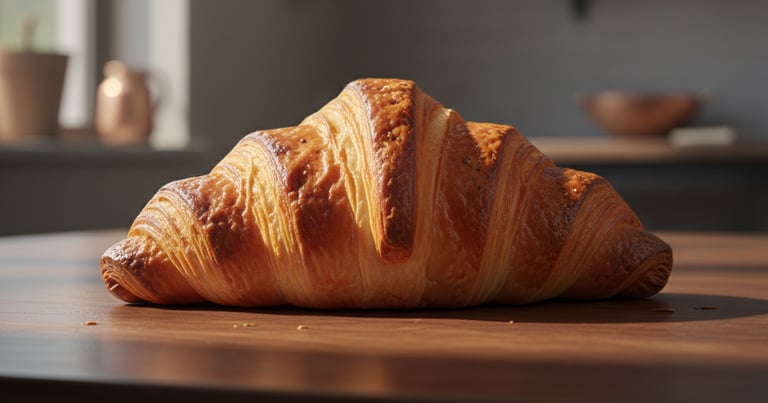



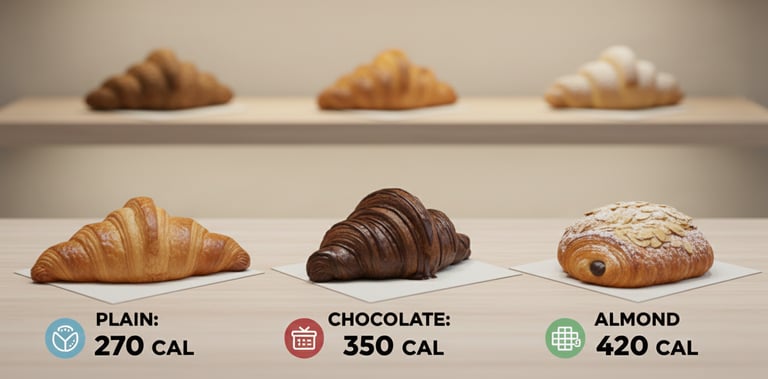
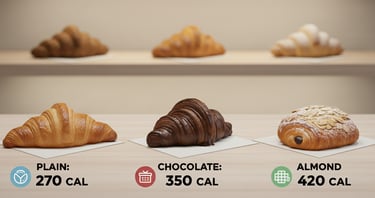
Croissants may look light and airy, but they are surprisingly calorie-dense because of the butter-rich dough and multiple folded layers. Understanding croissant calories helps you make smarter choices—especially if you enjoy croissants for breakfast, as snacks, or in croissant sandwich recipes.
Average Calories in a Plain Croissant
A plain croissant is the base for most croissant recipes.
On average:
Small croissant (45–50 g): ~180–220 calories
Medium croissant (60–70 g): ~230–260 calories
Large bakery croissant (80–100 g): 300–375 calories
Most calories come from fat and carbs, mainly due to butter.
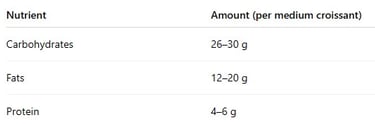
A plain croissant typically contains:
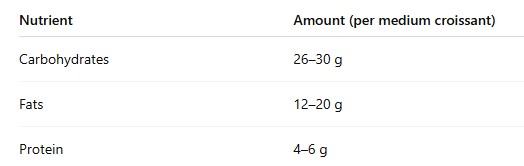
Carbs: 25–30 g
Fat: 12–20 g
Protein: 3–6 g
This is why people want healthier swaps like protein croissants, whole-wheat croissants, or reduced-butter versions.
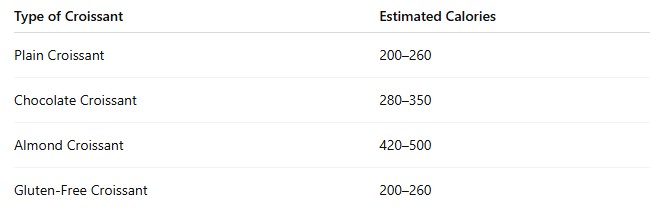
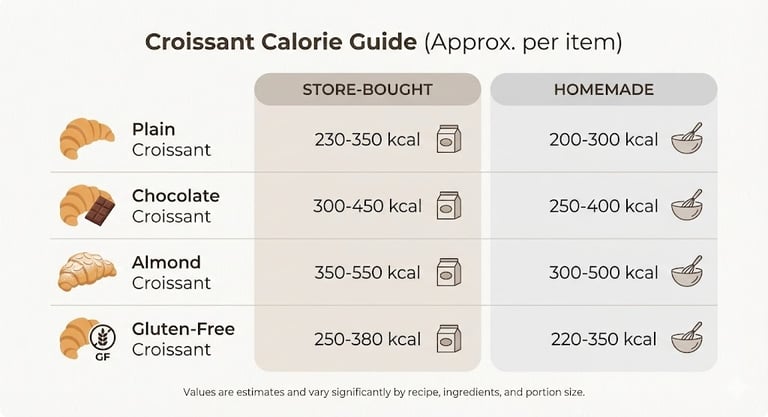
Chocolate Croissant, Almond Croissant, and Gluten-Free Croissant Calories
Different croissant variations have different calorie counts depending on fillings and toppings. Here's a simple comparison:
🍫 Chocolate Croissant (Pain au Chocolat)
280–350 calories
Chocolate adds extra sugar and fat.
🌰 Almond Croissant
420–500 calories
The almond paste + topping of sliced almonds dramatically increases calories.
✨ Gluten-Free Croissant
200–260 calories
Often lighter because they use less butter and different flour blends.
🥐 Comparison Summary
How Portion Size Affects Calories
Portion size is the hidden factor that affects croissant calories the most.
A croissant from a French bakery may weigh 60g, while supermarket croissants can go up to 100g.
A simple rule to remember:
The bigger the croissant, the more butter layers — the higher the calories.
Two small croissants can contain more calories than one large croissant, depending on the recipe.
Protein, Carbs & Fats Breakdown
On average, a plain croissant contains:
50–55% Calories From Carbs
Mostly from flour used in croissant dough.35–40% Calories From Fat
Mainly butter folded multiple times to create flaky layers.6–8% Calories From Protein
Croissants are not naturally high in protein, which is why protein croissant hacks are so popular.
A typical macronutrient breakdown looks like this:
If you want a lower-calorie or higher-protein croissant, choosing smarter ingredients or making homemade croissants can significantly change these numbers.
2. Croissant Calories Explained
How Many Steps or Workout Minutes Equal One Croissant?
The number of calories you burn depends on your weight, intensity, and activity level. But here is a simple guideline:
Average calories in a plain croissant: 230–260 calories
(Chocolate croissant: 300–350, Almond croissant: 420–500)
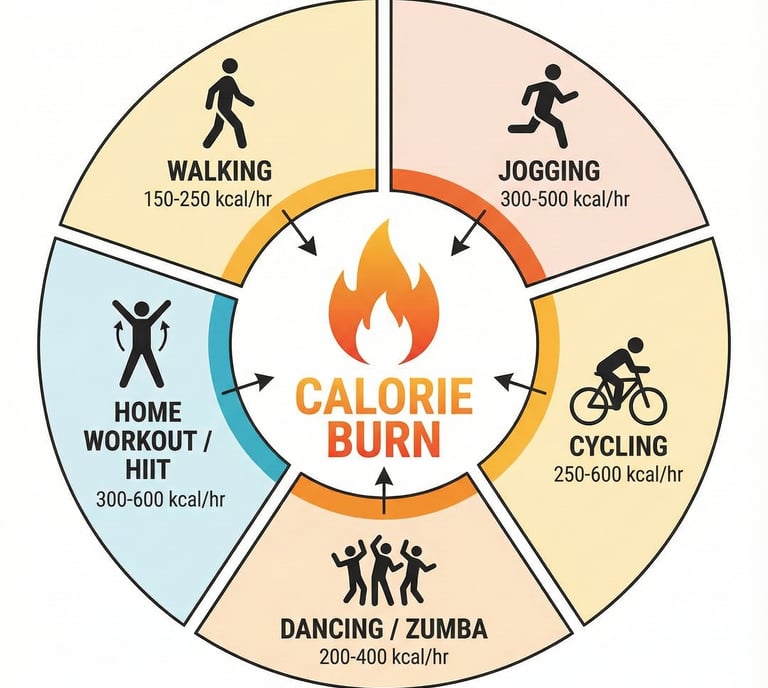
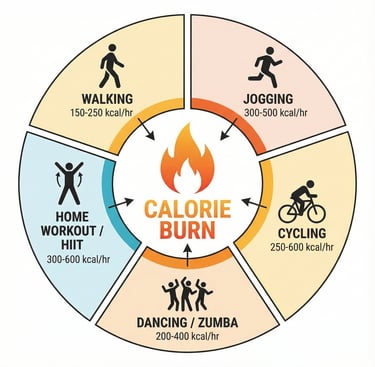
To burn 250 croissant calories, you can do:
Walking:
5,000–6,000 steps (about 45–60 minutes)Jogging:
20–25 minutesCycling:
30 minutes moderate speedDancing / Zumba:
25–30 minutesHome workout or HIIT:
15–18 minutes
So even just walking after your breakfast croissant can balance your day.


Croissants are delicious—but their calories can add up quickly, especially if you enjoy a chocolate croissant, almond croissant, or a big breakfast croissant sandwich.
The good news? Burning off croissant calories is easier than you think. With a few smart choices and light physical activities, you can balance your calorie intake without giving up your favorite pastry.
Low-Impact vs. High-Impact Workouts
Both workout styles help burn croissant calories, but they suit different fitness levels.
Low-Impact Workouts (Beginner-Friendly)
Perfect for people who want gentle calorie burning without stressing the joints.
Brisk walking
Light cycling
Yoga
Elliptical machine
Low-intensity aerobics
Calories burned in 30 minutes:
120–180 calories
These are great if you enjoy croissants regularly or have a sedentary job.
High-Impact Workouts (Fast Calorie Burn)
These exercises burn more calories in less time—ideal if you had a chocolate croissant or almond croissant with higher calorie counts.
Running
Jump rope
HIIT workouts
Fast-paced cardio
Intense cycling
Calories burned in 30 minutes:
220–350 calories
Just 15 minutes of HIIT can burn nearly one plain croissant.
Daily Routine Hacks to Burn Extra Calories
You don’t always need gym time to burn croissant calories. Small lifestyle changes can help you burn 100–200 calories effortlessly.
Simple hacks:
Choose stairs instead of elevators (burns 5–10 calories per minute)
Walk 10 minutes after every meal (supports digestion + calorie burn)
Stand instead of sitting for 30–60 minutes
Do house chores like vacuuming, laundry, or mopping
Park farther away to get extra steps
Walk while talking on the phone
Drink more water to support metabolism
These habits help you enjoy croissants—without guilt and without dieting.
3. How to Burn Croissant Calories
Using Protein-Rich Fillings
Instead of high-sugar or high-butter fillings, try adding protein to make a more balanced croissant.
Protein-packed filling hacks:
Greek yogurt + berries
Cottage cheese + honey
Protein chocolate spread
Almond butter (light amount)
Scrambled eggs for breakfast croissant
Turkey slices for croissant sandwiches
These fillings make your croissant more satisfying with fewer empty carbs.
Reducing Sugar in Chocolate or Almond Fillings
Chocolate croissants and almond croissants are delicious—but high in calories due to sugar.
Ways to make them lighter:
Use 70% dark chocolate instead of milk chocolate
Reduce sugar in almond paste by 30–40%
Swap white sugar with coconut sugar or stevia
Add cinnamon or vanilla to enhance sweetness naturally
Use a thin chocolate layer instead of thick chunks
These tiny adjustments can save 50–150 calories per croissant.
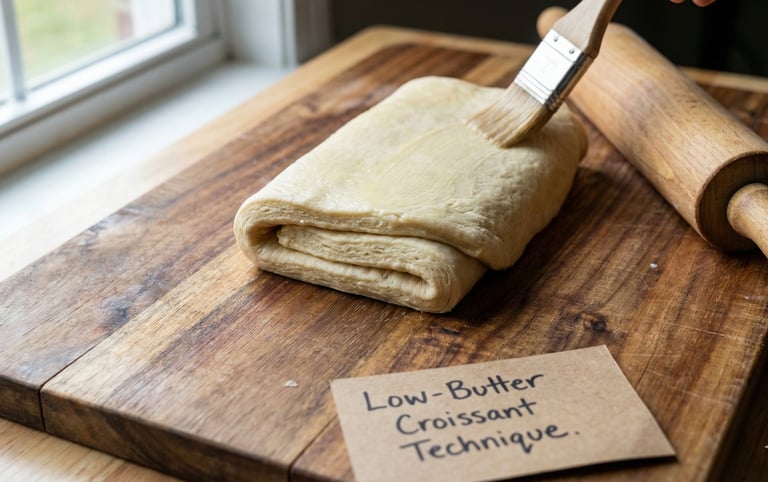
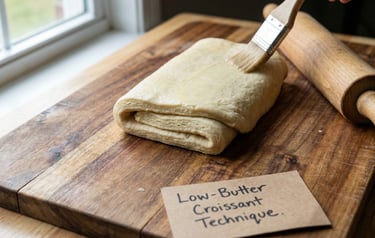
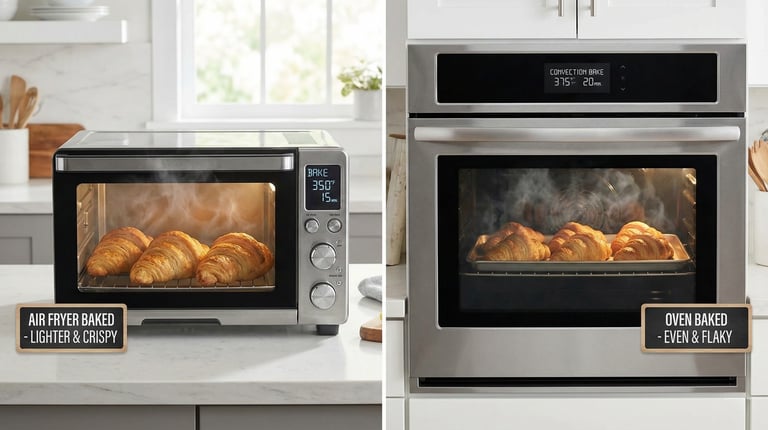
Homemade croissants can be delicious and healthier if you make a few smart changes. Whether you’re preparing a classic croissant recipe, a breakfast croissant, or even a croissant sandwich, these hacks help reduce calories without sacrificing taste.
Below are practical ways to cut down croissant calories when baking at home.
4. How to Reduce Calories When Making Croissants
Low-Butter Techniques
Traditional croissants are high in calories because of laminated butter layers. But you can lighten them up:
Ways to reduce butter in croissants:
Use 20–30% less butter during lamination
Spread butter thinner so the dough still becomes flaky
Replace part of the butter with Greek yogurt for a softer texture
Brush melted butter lightly instead of using thick layers
Result: fewer croissant calories but still a flaky, bakery-style finish.
Using Air Fryer or Oven for Lighter Croissants
Air fryers are becoming extremely popular for croissant bread recipes and croissant reheating.
Why the air fryer helps reduce calories:
No need for extra oil or butter
Faster cooking = lighter texture
Helps maintain crispiness without added fat
If using the oven, bake croissants at lower heat (180–190°C) to avoid adding more butter for moisture.
Switching to Whole-Wheat or Gluten-Free Dough
Changing the dough base can make your croissant bread healthier.
Whole-wheat croissants:
Higher fiber → better digestion
Keeps you full longer
Naturally lowers calorie intake
Great for breakfast croissant sandwiches
Gluten-free croissants:
Made with almond flour, rice flour, or GF blends
Often lighter and lower in calories
Good option for people with gluten intolerance
These smarter dough choices reduce total croissant calories and improve nutrition.
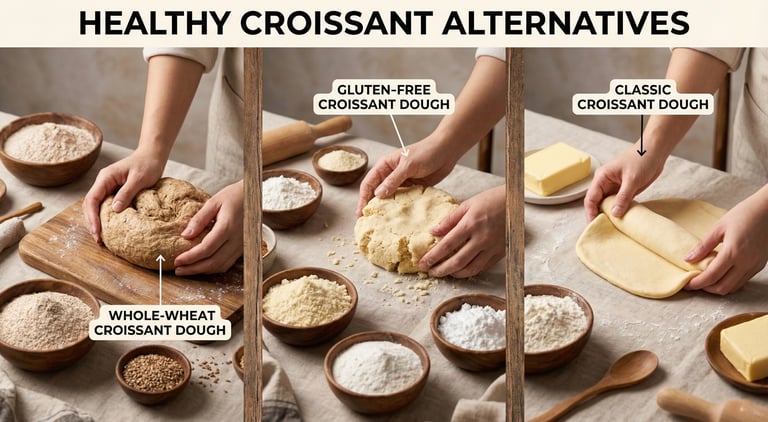

Quick Summary: How to Make Lower-Calorie Croissants
Cut butter by 20–30%
Use whole-wheat or gluten-free croissant dough
Bake with an air fryer for a lighter texture
Choose protein-rich fillings
Reduce sugar in chocolate or almond croissants
With these hacks, you can enjoy your favorite pastry while keeping croissant calories under control.
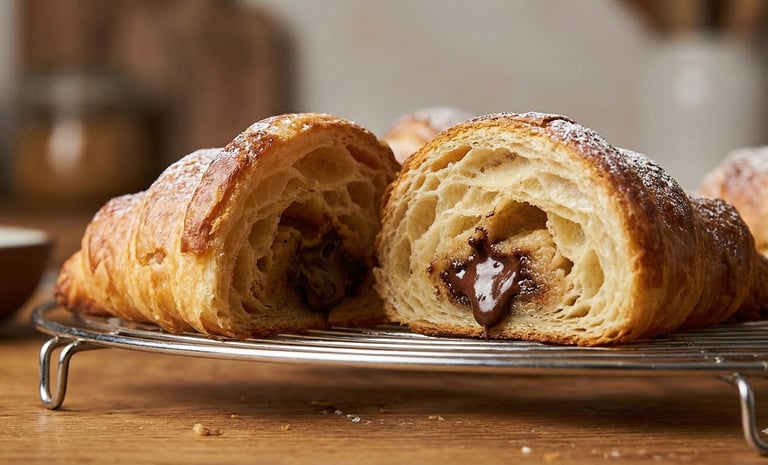

Step 1: Prepare the Dough
To start your croissant recipe, mix flour, sugar, salt, yeast, and cold milk. Knead until smooth.
This basic dough is the foundation of every recipe of croissant, whether you are making classic French pastries, croissant bread, or sweet versions like chocolate croissants.
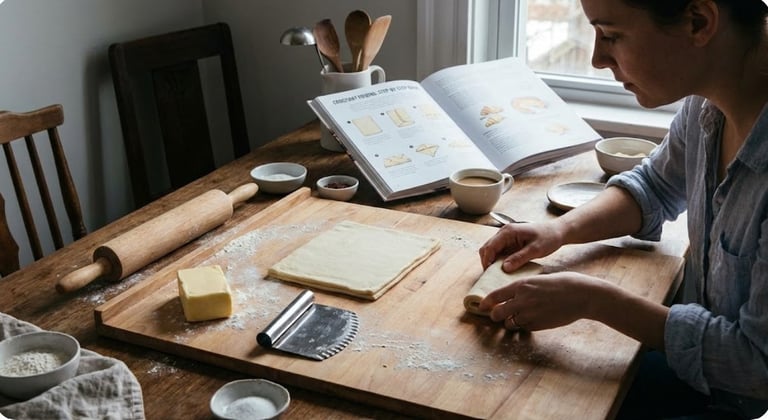
Step 2: Create the Butter Block
Croissants are known for their layers. To achieve this, flatten cold butter into a square block. This step is important because it helps you create the flaky texture seen in any professional croissant bread recipe.
Step 3: Laminate the Dough
Place the butter block inside the dough and begin folding. Roll the dough into a long rectangle, fold it in thirds, chill, and repeat 2–3 times.
This lamination process is key to achieving bakery-level results in both beginner-friendly croissants recipe and advanced croissant bread recipes.
Step 4: Shape the Croissants
Roll the dough into a thin sheet and cut triangles. Roll each triangle from the base to the tip to form your croissants.
If you want to make a croissant sandwich later, shape them slightly bigger for a fluffier center.
Step 5: Proofing
Let the shaped croissants rise until they become airy and soft.
This is an important part of how to make croissants at home, especially if you want a light and tender inside with perfectly crispy layers.
Step 6: How to Bake a Croissant Perfectly
Brush the croissants with egg wash, then bake at a high temperature for the first few minutes.
This gives them their signature golden color.
Reduce the heat halfway to ensure the inside cooks through—one of the most important tips in mastering how to bake a croissant.
5. How to Make Croissants (Step-by-Step Guide)
Making croissants at home may look complicated, but with the right steps, anyone can create soft, flaky, bakery-style pastries. This section walks you through how to make croissants, how to bake a croissant perfectly, and how to follow both beginner-friendly and professional-style croissants recipes.
Step 7: Variations and Professional-Style Recipes
Once you master the basic technique, try other styles:
Chocolate Croissant (Pain au Chocolat)
Wrap dark chocolate sticks inside the dough before rolling.
Almond Croissant
Fill baked croissants with almond paste and re-bake for a crispy aroma-filled treat.
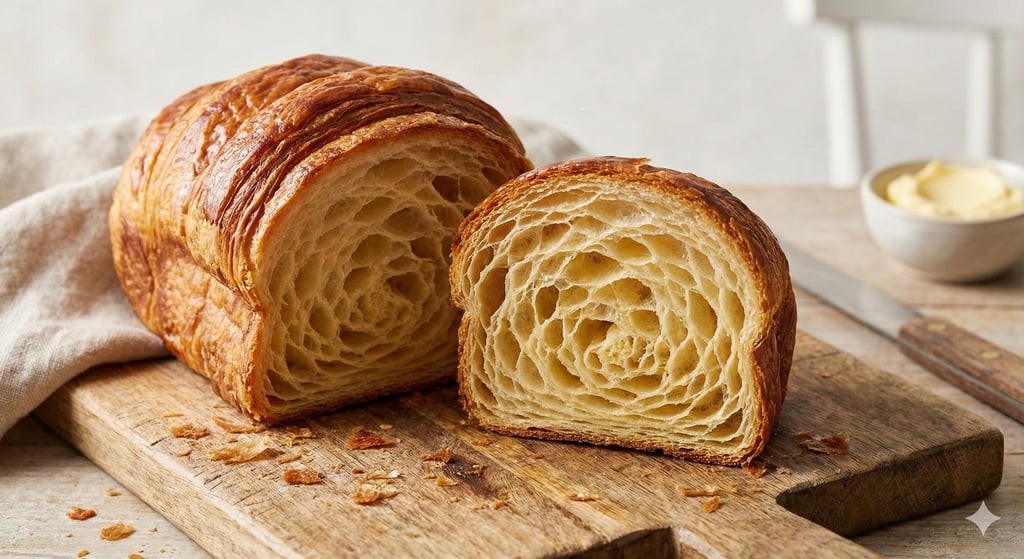
Croissant Bread
Bake the dough in a loaf pan to create a soft, layered croissant bread recipe that’s perfect for toast and sandwiches.
Gluten-Free Croissant
Use gluten-free flour blends and extra lamination for structure.
These variations help you explore different croissant recipes, including both classic and modern techniques.


Step 8: Beginner-Friendly Tips
If you’re a beginner, don’t worry—croissants don’t need to be perfect the first time.
Follow these simple guidelines for a successful recipe for croissants:
Always keep the butter and dough cold.
Don’t rush the chilling steps.
Use a sharp knife to cut triangles.
Bake on parchment paper for the best rise.
Practice lamination — the more you do it, the better it gets.

Step 9: Professional Touch for Perfect Flakiness
To make your croissants taste like they came from a French bakery:
Use European-style butter with higher fat content.
Allow slow proofing for deeper flavor.
Bake at high heat (around 200°C / 400°F) for the first 5 minutes.
Brush with a second layer of egg wash for shine.
With these steps, your homemade croissants will taste like the weltbester croissants — buttery, flaky, and irresistible.
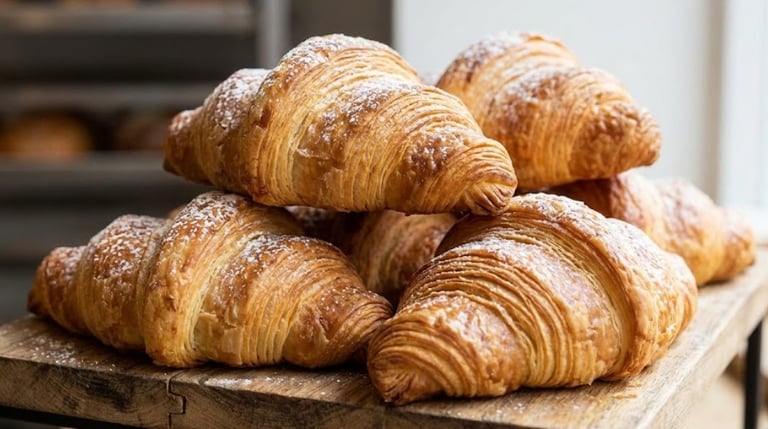

If you love croissants but want healthier, low-calorie, or high-protein options, you can easily upgrade your recipes with a few smart hacks. These ideas help you enjoy your croissants guilt-free while keeping the same soft, flaky, buttery taste.
✔ Protein Croissant Ideas
Add protein cream cheese or Greek yogurt spread inside the croissant.
Fill with grilled chicken, egg whites, or tuna salad for a protein croissant sandwich.
Mix vanilla whey protein into a light frosting for a sweet high-protein filling.
Use almond butter or peanut butter to increase healthy protein and fats.
✔ Low-Butter Croissant Dough
Reduce the butter by 20–30% without losing much flakiness.
Replace a portion of butter with light butter or olive-oil–based spread.
Keep the dough chilled to maintain layers even with less butter.
Use a rolling technique instead of excessive butter blocks.
✔ Air-Fried Croissant Recipe
Air fry at 350°F (175°C) for 5–7 minutes for a perfectly crisp but lighter croissant.
Brushing with egg wash instead of butter saves around 40–60 calories per croissant.
Works for plain croissants, chocolate croissants, or almond croissants.
✔ High-Fiber “Croissante” Versions
Replace part of the flour with whole-wheat flour.
Add chia seeds or flax seeds to increase fiber.
Use oat flour mixed with all-purpose flour for a nutty, healthier flavor.
High-fiber croissant bread recipes keep you full longer and reduce cravings.
✔ Low-Calorie Chocolate Croissant Hack
Use 70% dark chocolate instead of milk chocolate.
Swap sugar-filled chocolate bars for sugar-free chocolate chips.
Add only a small strip of chocolate—still delicious with fewer calories.
Air fry the croissant for a crisp texture without extra butter.
✔ Almond Croissant Without Sugar Syrup
Replace sugar syrup with a light honey glaze or zero-calorie sweetener syrup.
Use almond flour paste with minimal butter.
Add stevia or monk fruit instead of sugar.
Bake until golden for an almond croissant that is sweet but much healthier.
6. Healthy Croissant Recipes (Protein & Low-Calorie Hacks)
Easy Breakfast Croissant Ideas
If you’re short on time, these simple breakfast croissant ideas are perfect for busy mornings:
Egg & Avocado Croissant: scrambled eggs with sliced avocado for healthy fats
Protein Croissant Sandwich: egg whites, turkey slices, and light cheese
Greek Yogurt & Berry Croissant: sweet, high-protein, and low in sugar
Peanut Butter & Banana Croissant: satisfying and energy-rich
Croissant Bread Toast: lightly toasted croissant bread topped with honey or almond butter
These ideas use basic croissant recipes while adding nutrients to balance carbs and fats.
Croissant Breakfast Casserole (Low-Cal & High-Protein Versions)
A croissant breakfast casserole is ideal for meal prep or family breakfasts. You can easily make it healthier with smart ingredient swaps.
Low-Calorie Croissant Breakfast Casserole
Use mini croissants or reduced-butter croissants
Choose egg whites instead of whole eggs
Add vegetables like spinach, mushrooms, or bell peppers
Use low-fat milk or almond milk
High-Protein Croissant Breakfast Casserole
Add grilled chicken, turkey sausage, or lean ham
Mix in cottage cheese or Greek yogurt
Sprinkle a small amount of light mozzarella
Bake until fluffy and lightly golden
This version keeps you full longer while reducing total croissant calories.
Healthy Sweet & Savory Breakfast Croissants
Sweet Breakfast Croissants
Dark chocolate croissant with reduced sugar
Almond croissant with stevia-sweetened filling
Cinnamon yogurt croissant
Protein chocolate spread croissant
Savory Breakfast Croissants
Croissant sandwich with eggs and spinach
Croissant with smoked salmon and cream cheese
Croissant stuffed with vegetables and feta
Air-fried croissant with hummus and cucumber
Sweet or savory, breakfast croissants can be both delicious and nutritious when prepared thoughtfully.


Quick Tip for Healthier Breakfast Croissants
Pair your croissant with protein and fiber. This slows digestion, prevents sugar spikes, and helps you burn croissant calories more efficiently throughout the day.
Here is a pro tip for you. if you intake high level of calories, you can check your total consumed calories and how to burn that consumed calories clicking here.
Croissants are one of the most loved breakfast foods because they are quick, filling, and incredibly versatile. Whether you enjoy sweet flavors or savory meals, breakfast croissant ideas can be easily adapted to fit a healthy lifestyle while keeping croissant calories under control.


7. Best Breakfast Croissant Ideas
Low-Calorie Croissant Sandwiches
If you’re watching croissant calories, choose lighter ingredients:
Use mini croissants or thin-cut croissant bread
Replace mayo with Greek yogurt or mustard
Add vegetables like lettuce, tomatoes, cucumbers, or peppers
Choose grilled meats instead of fried fillings
Skip sugary sauces and heavy cheese layers
A well-balanced low-calorie croissant sandwich can stay under 350–400 calories.
High-Protein Sandwich Croissant Fillings
Protein keeps you full longer and reduces cravings. Try these high-protein sandwich croissant fillings:
Egg whites with spinach
Grilled chicken breast
Tuna mixed with Greek yogurt
Cottage cheese with herbs
Turkey slices with light cheese
Smoked tofu for plant-based diets
These fillings turn croissants into protein croissants, ideal for fitness-focused meals.
Easy Croissant Bread Sandwiches
Croissant bread is softer and sturdier than flaky pastries, making it perfect for sandwiches.
Easy croissant bread sandwich ideas:
Toasted croissant bread with avocado & egg
Chicken salad croissant bread sandwich
Peanut butter & banana croissant bread
Light cream cheese with cucumber
These are great for quick lunches or snacks.
Meal-Prep Friendly Croissant Sandwich Guides
Yes, croissant sandwiches can be meal-prepped if done correctly:
Store croissants and fillings separately
Assemble just before eating to avoid sogginess
Wrap sandwiches in parchment paper
Refrigerate protein fillings up to 3 days
Reheat croissant bread lightly before serving
This makes croissant sandwiches practical for busy weeks.
Healthy Sandwich Croissants Ideas
Healthy doesn’t mean boring. Try these creative options:
Hummus, roasted vegetables & arugula croissant
Egg white, spinach & feta croissant
Greek yogurt chicken salad croissant
Almond butter & apple slices croissant
These healthy sandwich croissants ideas prove that croissants can fit into a balanced lifestyle.
Pro Tip
Pair croissant sandwiches with a salad, soup, or fruit to create a complete, nutrient-rich meal without overloading calories. You can check out more croissant amazing recipies.
Croissant sandwiches are perfect when you want something filling, flavorful, and flexible. With the right fillings and portion control, sandwich croissants can be both satisfying and healthy. Whether you’re making breakfast, lunch, or meal-prep options, croissant bread works beautifully for sandwiches.
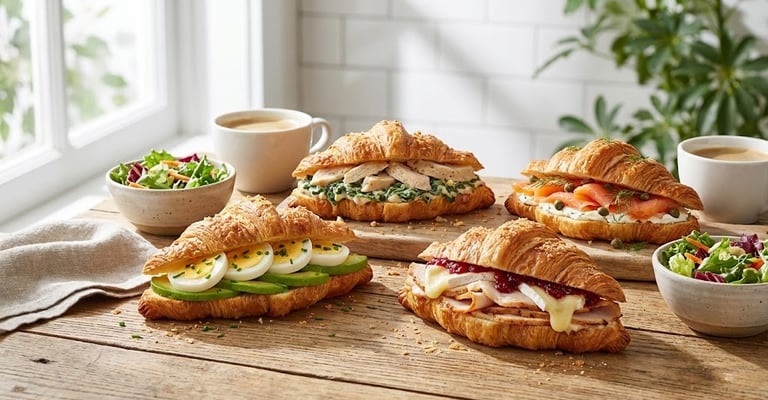
Best Croissant Sandwich Combinations
These classic croissant sandwich combinations balance flavor and nutrition:
Egg & Avocado Croissant Sandwich – creamy, filling, and breakfast-friendly
Turkey & Cheese Croissant – a light lunch option with protein
Chicken & Spinach Croissant – perfect for post-workout meals
Smoked Salmon & Cream Cheese Croissant – elegant and nutrient-rich
Ham & Swiss Croissant – a bakery-style favorite
These combinations show why croissant sandwiches are loved worldwide.

8. Croissant Sandwich Recipes
🏪 Why Store-Bought Croissant Calories Are Higher
Most store-bought croissants are designed for long shelf life, rich taste, and visual appeal—not calorie control.
Key reasons calories are higher:
Excess butter & margarine are used to boost flavor
Added sugar and glucose syrup improve browning and taste
Preservatives & emulsifiers increase fat content
Larger portion sizes than a homemade croissant
Chocolate and almond croissants often include sugar syrups and heavy fillings
📌 A bakery or packaged croissant can easily contain 300–450 calories, especially flavored ones.
🏠 How Homemade Croissants Save Calories
Making croissants at home gives you full control over ingredients and portion size.
Benefits of homemade croissants:
Use less butter or low-fat butter alternatives
Replace white flour with whole-wheat or gluten-free dough
Reduce or skip added sugar
Add high-protein fillings instead of sugary creams
Bake smaller croissants for portion control
📌 A homemade croissant can be reduced to 180–250 calories without sacrificing taste.
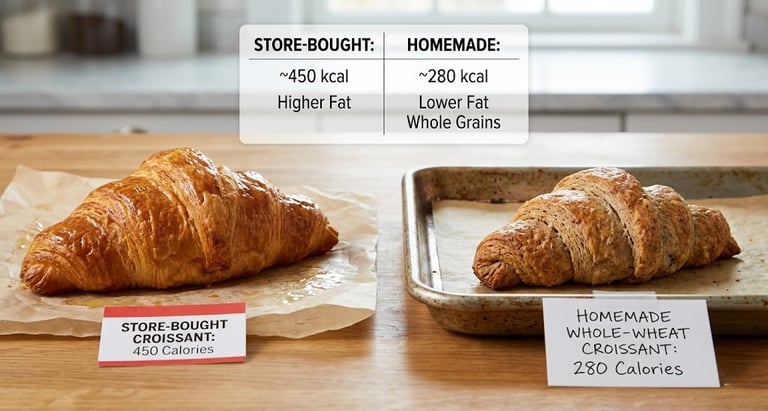
📊Store-Bought vs Homemade Croissant Calories (Comparison Chart)
Here is a simple comparison chart which show a fine difference between store bough croissant calories and home made croissant calories. hope it wil help you while choosing.
When it comes to croissant calories, where your croissant comes from makes a big difference. Store-bought croissants may look convenient, but they often hide extra calories, fats, and sugars. Let’s break it down in a simple, easy-to-understand way.
✅ Final Takeaway
If you love croissants but want to manage croissant calories, homemade is the clear winner. With smarter ingredients, lighter baking methods, and protein-rich fillings, you can enjoy croissant recipes that fit into a healthier lifestyle—without giving up that flaky, buttery joy.
9. Store-Bought vs Homemade Croissant Calories
How to Make Gluten-Free Croissants Flaky
Flakiness without gluten is possible with smart techniques:
Chill dough between folds to create layers
Use parchment paper instead of extra flour
Steam the oven slightly for better rise
Brush lightly with egg wash for a golden crust
Patience and temperature control are key to achieving bakery-style results at home.
10. Gluten-Free & Allergy-Friendly Croissant Guide
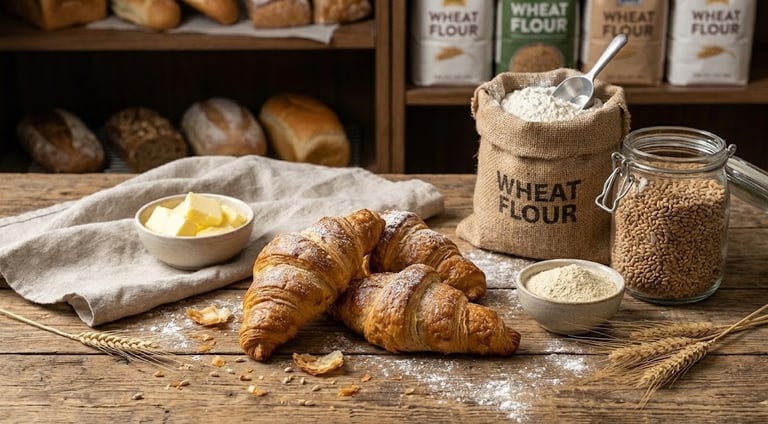

Enjoying croissants doesn’t have to stop if you’re gluten-intolerant or managing food allergies. With the right ingredients and baking methods, gluten-free croissants can be just as flaky, delicious, and lower in calories as traditional ones.
Best Gluten-Free Croissant Options
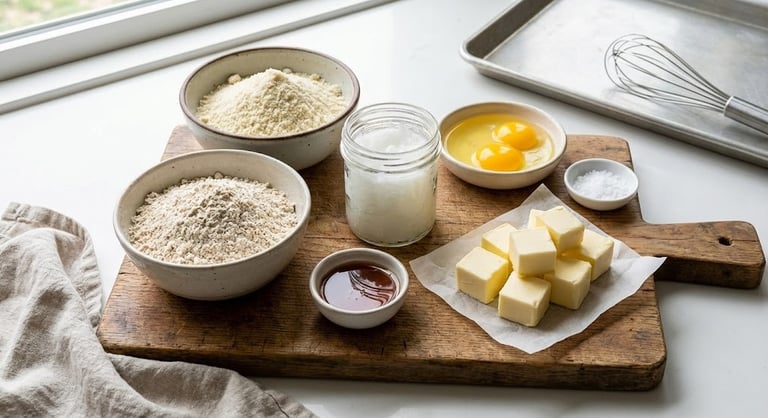
Gluten-free croissants are now widely available in health food stores and online bakeries. Look for options made with:
Almond flour or rice flour blends
Tapioca or potato starch for elasticity
Minimal added sugars and oils
Avoid highly processed versions, as they often contain more fat and calories than homemade croissants.
Low-Calorie Gluten-Free Croissant Recipes
To reduce calories in gluten-free croissants:
Use almond flour + oat flour blends for higher protein
Replace butter with light butter or coconut oil (measured)
Skip sugary fillings and choose savory or protein-rich options
A homemade gluten-free croissant can have 20–30% fewer calories compared to store-bought ones while offering better nutrition.


Who Should Choose Gluten-Free Croissants?
Gluten-free croissants are ideal for:
People with celiac disease
Gluten sensitivity or IBS
Those wanting lighter, digestion-friendly pastries
When made at home, they support both health goals and calorie control.
Croissants don’t have to be an “off-limits” food. With a few smart habits, you can enjoy a croissant while keeping croissant calories under control and still feeling great. Here are some practical, realistic tips that actually work in daily life.
🥐 Practice Portion Control
Instead of eating two croissants at once, enjoy one medium-sized croissant slowly. Choosing mini croissants or sharing one helps reduce calorie intake without sacrificing taste. Mindful eating improves satisfaction and digestion.
💪 Add Protein for Balance
Pair your croissant with high-protein foods like eggs, Greek yogurt, cottage cheese, or lean turkey. Protein slows digestion, keeps you full longer, and prevents blood sugar spikes—perfect for breakfast croissant meals.
🥤 Choose Low-Calorie Drinks
Avoid sugary coffee drinks or juices. Pair croissants with black coffee, green tea, or unsweetened almond milk lattes. This simple swap can save hundreds of calories.
⏰ Eat Croissants at the Right Time
The best time to enjoy croissants is morning or early afternoon, when your metabolism is more active. Avoid eating them late at night, as digestion slows and excess calories are more likely stored as fat.
🔥 Balance with Daily Movement
A short walk, light workout, or active day easily offsets croissant calories. Even 6,000–8,000 steps can help balance indulgence without stress.
🌱 Choose Smarter Versions
Opt for protein croissants, whole-wheat dough, air-fried croissants, or gluten-free croissant options to reduce fat and boost nutrition.
Bottom Line
Croissants can absolutely fit into a healthy lifestyle. With smart pairing, mindful portions, and good timing, you can enjoy every bite—without guilt or calorie anxiety.
11. Final Tips for Enjoying Croissants Without Guilt
Croissants are more than just a flaky pastry—they’re a comfort food loved around the world. While croissant calories can be high due to butter and refined flour, this doesn’t mean you need to give them up completely. The key is balance, awareness, and smart choices.
By understanding how calories work in a plain croissant, chocolate croissant, almond croissant, or even a gluten-free croissant, you can make informed decisions. Simple swaps—like using less butter, choosing whole-wheat dough, adding protein-rich fillings, or air-frying instead of deep baking—can dramatically reduce calories without sacrificing taste.
Pairing croissants with protein, enjoying them earlier in the day, and staying active helps your body use energy efficiently. Whether you prefer homemade croissants, healthy croissant sandwiches, or breakfast croissant casseroles, there’s always a lighter way to enjoy them.
Food should never be about guilt—it should be about enjoyment with intention. With these tips and recipes, croissants can absolutely fit into a healthy lifestyle. Enjoy every bite—smarter, lighter, and happier 🥐✨
But still we sill suggest you to use our calories calculator before consuming and diet. check how much calories you are consuming, and how you will be able to burn that consumed calories.
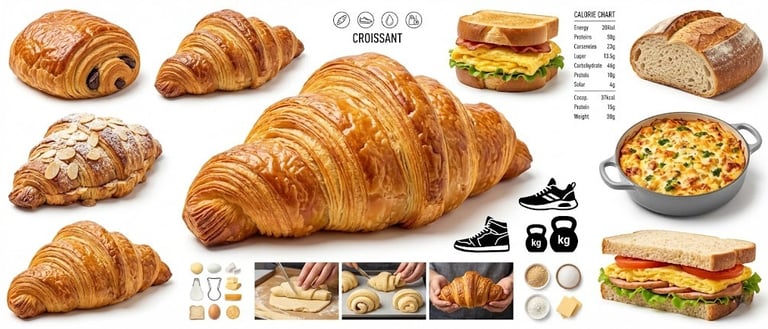

Conclusion:
Enjoy Croissants the Smart Way
1. How many croissant calories are in a plain croissant?
A plain croissant contains around 230–280 calories, depending on size and butter content.
2. Are croissant calories higher than regular bread?
Yes, croissants have more calories than regular bread due to butter and laminated dough.
3. Is a chocolate croissant more fattening than a plain croissant?
Yes, a chocolate croissant can have 320–360 calories because of added sugar and chocolate.
4. How many calories are in an almond croissant?
An almond croissant typically contains 400–450 calories, making it one of the highest-calorie types.
5. Are gluten-free croissants lower in calories?
Not always. Gluten-free croissants can have similar or even higher calories due to alternative flours and fats.
6. Can I eat croissants while dieting?
Yes, with portion control, healthier fillings, and balanced meals, croissants can fit into a diet.
7. What is the healthiest croissant filling?
High-protein fillings like eggs, Greek yogurt, cottage cheese, or lean turkey are healthier options.
8. Do homemade croissants have fewer calories than store-bought ones?
Yes, homemade croissants usually have fewer calories because you control butter, sugar, and portion size.
9. How can I burn croissant calories faster?
Walking 6,000–8,000 steps, cycling, or a 30–40 minute workout can help burn croissant calories.
10. What is the best time to eat a croissant?
Eating croissants in the morning or pre-workout helps your body use the calories more efficiently.
Frequently Asked Questions (FAQs) – Croissants & Calories
Kalorienrechner
Ihr persönlicher Kalorienrechner für zu Hause.
Kontakt
Häufige Fragen
info@checkmycalories.com
+44 7450 566154
© 2025. All rights reserved.
Wichtiger Link